There are many different types of residential metal roofs; different materials, panel profiles, installation systems, colors, and finishes. Understanding these differences can help you determine which type of metal roofing is best for your home, your budget, and the look you want to achieve.
Types of Metal Roofing
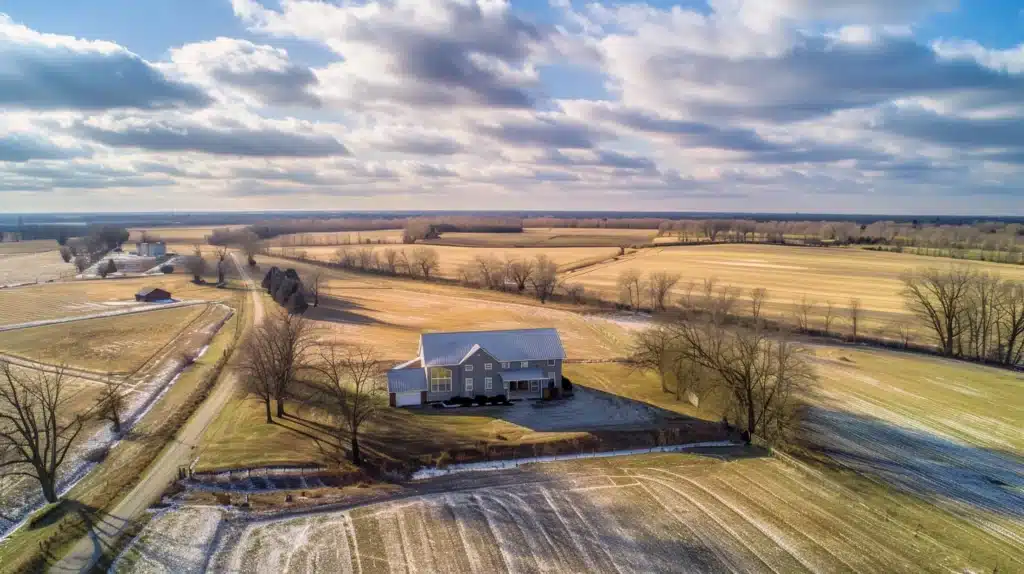
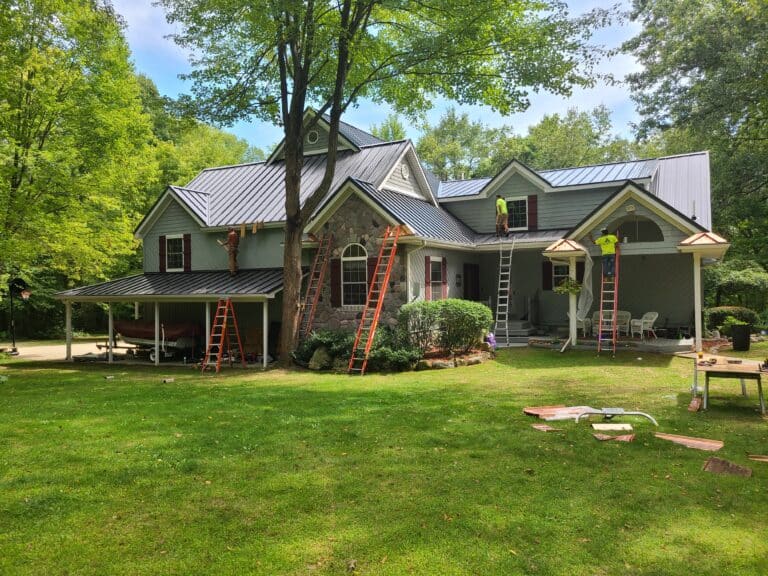
Residential metal roofing comes in many forms and offers several advantages. Metal roofing has become increasingly popular among homeowners because of its durability, longevity, weather resistance, and relatively low maintenance requirements.
In this guide, we’ll break down the different types of residential metal roofing by material, style, and visual appearance. We’ll also touch on some commercial metal roofing systems, since many of the same materials and profiles are used in both residential and commercial construction.
In this guide, we’ll break down the types of metal roofing by:
- Materials
- Styles
- Visual appearance
- Colors and finishes
Interested in a metal roof?
Call 1-855-FIX-ROOF today or get in touch online to learn more
Materials Used in Residential Metal Roofs
One of the first decisions when choosing a metal roof is the type of metal it’s made of. Steel, aluminum, copper, and zinc are all used in roofing, but they have very different properties, appearances, costs, and applications. The material you choose can affect the roof’s weight, durability, resistance to corrosion, expected service life, appearance, and overall cost.
Steel and aluminum are the most common choices for most residential metal roofs. They offer a combination of durability, availability, and affordability. Copper and zinc are also highly durable roofing materials, but their higher cost can be a barrier. The best material depends not only on your preferences but also on your home’s location, architectural style, roof design, and exposure to the elements.
Let’s get into the different materials available in metal roofing.
Steel Roofing
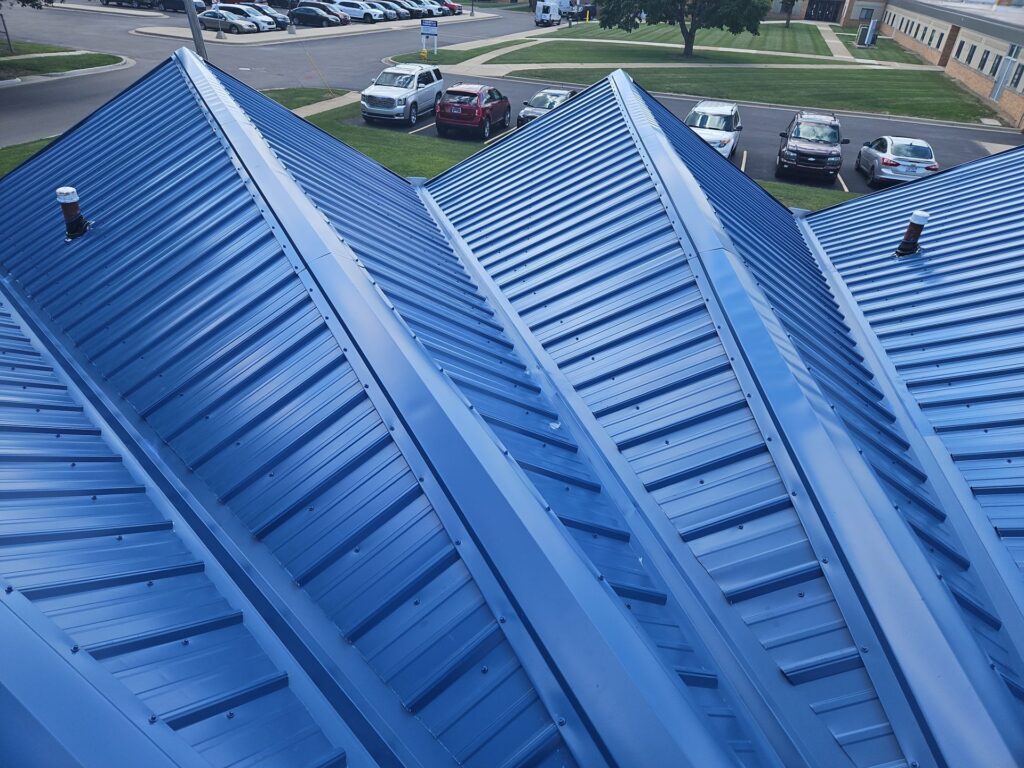
Steel is one of the most widely used metals in residential roofing and is often the starting point for homeowners comparing metal roofing options. It provides a strong, durable roofing surface and generally costs less than premium metals such as copper or zinc. Steel roofing is available in numerous styles, including standing seam, exposed-fastener, ribbed, corrugated, and shingle-style systems, which we’ll discuss more later in the guide.
Steel’s combination of strength and relatively moderate cost makes it a practical choice for many Michigan homes. It can withstand substantial weather exposure and is available in profiles that work with most types of homes.
Steel is available in many forms, making it common in commercial and agricultural construction. Ribbed and exposed-fastener steel panels are frequently used on larger buildings, garages, barns, workshops, and other utilitarian structures, while standing seam steel roofing is commonly used when a cleaner architectural appearance is desired.
Aluminum Roofing
Aluminum is another popular metal roofing material and has an important advantage over steel: it is highly resistant to corrosion. Aluminum naturally forms a protective oxide layer when exposed to air, helping it resist rust and making it particularly useful in environments where moisture and salt exposure are concerns. For this reason, aluminum roofing is especially common in coastal areas, though it’s used in residential applications throughout the country.
Aluminum is also significantly lighter than steel. This can make it easier to handle during installation and may be advantageous in certain roofing applications. Like steel, aluminum can be formed into a variety of profiles, including standing seam panels, shingles, and other architectural roofing systems. It is also available in numerous factory-applied colors and finishes. However, it is generally more expensive than steel
Copper Roofing
Copper is also resistant to corrosion and it has a very distinctive appearance. It’s often selected as much for its architectural character as for its performance. It’s also one of the oldest types of metal roofs. New copper has a bright, warm metallic appearance, but exposure to the elements gradually causes it to develop a darker patina before eventually taking on the familiar greenish appearance associated with aged copper.
One of copper’s major advantages is its longevity. Properly designed and installed copper roofing can last for many decades. It is also naturally resistant to corrosion and can be formed into intricate shapes, making it particularly useful for architectural details, dormers, turrets, bay windows, porch roofs, cupolas, and other visually prominent portions of a building.
The primary drawback of copper is its cost. Copper is considerably more expensive than the metals commonly used for standard residential roofing, which puts it outside the budget of many homeowners. Its appearance is also distinctive and changes over time, so homeowners should be comfortable with the way the material will age.
Zinc Roofing
Zinc is another premium metal roofing material known for its durability and long service life. Like copper, zinc develops a natural protective patina as it weathers. Rather than relying primarily on a paint coating to protect the surface, zinc forms a stable outer layer that helps protect the underlying material from further weathering.
Zinc is particularly popular in architectural and high-end construction because of its distinctive appearance and ability to form complex roof shapes. It can provide a modern, understated appearance when installed as a standing seam system, but it can also be incorporated into other, more customized architectural designs.
Zinc roofing also typically costs more than steel or aluminum systems, so it’s used more commonly in high-end homes and highly architectural designs.
Learn more about metal roofing options
Give us a call at 1-855-FIX-ROOF or get in touch online
Styles of Metal Roofs
Now that we’ve discussed the different materials used in metal roofs, let’s take a look at the styles. Two roofs made from the same type of steel can look and perform quite differently depending on their panel profile and fastening system.
Some metal roofing systems use long panels that run from the eave toward the ridge. Others use shorter panels or individual pieces designed to resemble traditional roofing materials. Some have fasteners that remain visible on the face of the roof, while others conceal the fasteners beneath the panels or within interlocking seams.
The profile you choose can affect appearance, installation, maintenance, cost, and how the roof responds to weather. Let’s take a look at the most common styles you might encounter.
Standing Seam Metal Roofing

Standing seam metal roofing is one of the most recognizable and widely used architectural metal roofing systems. It consists of long metal panels with raised vertical seams where adjacent panels connect. The seams extend from the eave toward the ridge, creating the clean, continuous lines that are characteristic of standing seam roofs.
One of the defining features of many standing seam systems is concealed fastening. Rather than driving screws through the exposed face of the roofing panel, installers use clips or other fastening methods beneath the seams. This gives the finished roof a cleaner appearance and eliminates many exposed fastener heads from direct contact with the weather.
Another advantage of standing seam roofing is that many systems are designed to accommodate the natural expansion and contraction of metal as temperatures change. This is particularly important in climates with significant temperature swings.
Exposed-Fastener Metal Roofing
Exposed-fastener roofing uses screws or other fasteners that pass directly through the face of the metal panels and remain visible after installation. The fasteners typically include washers or other components designed to create a weatherproof seal around the area.
Exposed-fastener roofing is one of the more economical forms of metal roofing. It is commonly used on garages, workshops, agricultural buildings, outbuildings, and similar structures. These types of systems are commonly manufactured from coated steel, though other metals can be used. The panels are available in many colors and profiles, including ribbed and corrugated designs.
The main consideration with an exposed-fastener roof is the fasteners themselves. Over time, fasteners and their sealing washers can deteriorate, loosen, or require replacement. Thermal movement can also affect the connection between the fasteners and the panels. This does not necessarily make exposed-fastener roofing a poor choice, but it does mean that installation quality and regular inspections are particularly important.
Corrugated Metal Roofing
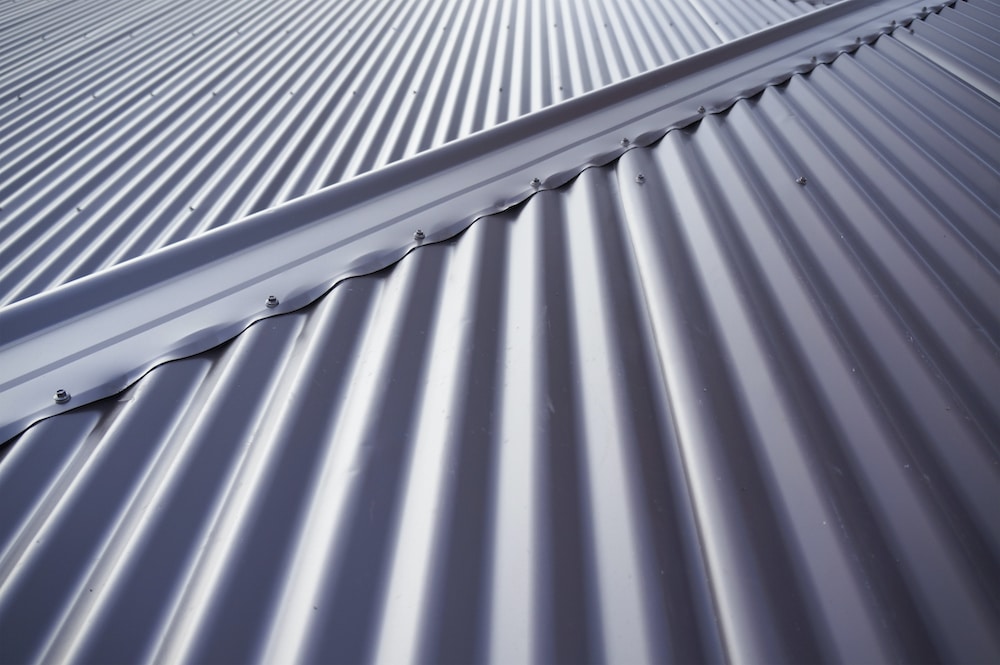
Corrugated metal roofing has a repeating pattern of ridges and valleys across a metal sheet. The corrugation increases the stiffness of the relatively thin sheet, allowing it to span greater distances while maintaining structural strength. “Corrugated” describes the shape of the panel rather than necessarily indicating a particular material or fastening system.
Corrugated roofing has a long history in agricultural, industrial, and utility construction. Its pronounced pattern gives buildings a distinct appearance and can work especially well with industrial and some commercial buildings, as well as some rustic or farmhouse-inspired designs.
Steel and aluminum are common materials for corrugated roofing. Depending on the product and installation method, corrugated panels may use exposed fasteners or other fastening systems. One advantage of corrugated metal is its combination of structural rigidity and relatively simple panel design.
Ribbed and R-Panel Roofing
Ribbed metal roofing uses raised ribs or structural patterns to increase the strength and rigidity of the panels. R-panel roofing is a common type of ribbed metal panel characterized by its broad, raised ribs and recessed sections between them.
These systems are especially common in commercial, agricultural, industrial, and utility buildings, but they can also be used on residential structures such as garages, workshops, pole buildings, and some homes. They are generally manufactured from coated steel and are commonly installed using exposed fasteners.
Ribbed and R-panel systems are highly durable, relatively easy to install, and low-cost. Their appearance is more pronounced than a smooth standing seam roof, and the exposed-fastener versions have visible screws across the panels.
Metal Shingles and Shingle-Style Panels
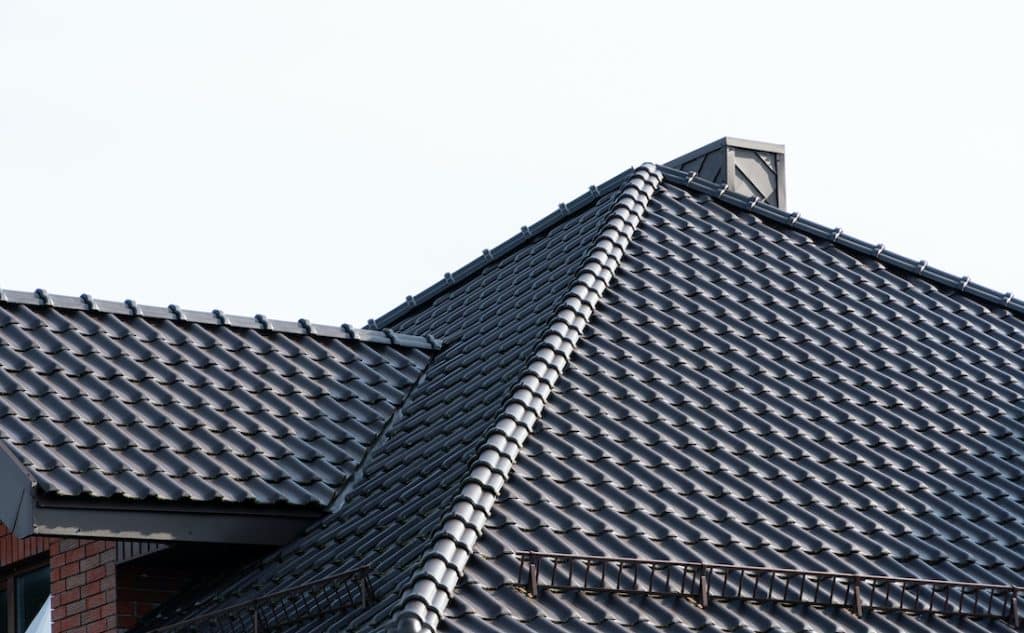
Not every metal roof is made from long vertical panels. Metal shingles and shingle-style panels mimic the appearance and proportions of traditional residential roofing while using metal as the underlying material.
These products can resemble asphalt shingles, slate, wood shake, or tile, depending on their profile and finish. Metal shingles can be an attractive option for homeowners who want the durability and longevity associated with metal roofing, but they’re looking for a more conventional appearance. They can be particularly effective on traditional, historic, craftsman, colonial, or other architectural styles where conventional shingles can complement the appearance.
Metal shingles can be more complex to manufacture and install than basic metal panels, which can increase their cost. However, they are also more durable than conventional shingles, will generally not need replacement for decades, are more environmentally friendly, and offer other advantages.
Visual Styles of Metal Roofing
The physical construction of a metal roof and its visual appearance are closely related, but they are not identical. Homeowners can often choose between several different appearances even within the same general category of metal roofing.
For example, a steel roof might consist of smooth standing seam panels with concealed fasteners, ribbed panels with exposed screws, or individual pieces designed to resemble traditional shingles. A homeowner choosing aluminum can have similar options. This means that the question is not simply about the materials or styles of the metal roof, but also the overall appearance of the finished roof.
Traditional Metal Panel Appearance
For homeowners who like the look of metal roofing itself, large panels with clearly defined seams or ribs can provide a distinctive architectural appearance. Standing seam creates long, uninterrupted vertical lines, while corrugated and ribbed panels create a more textured pattern.
The right panel style can complement modern architecture particularly well, but metal panels can also work with farmhouses, cabins, contemporary homes, and other residential designs. The panel width, seam pattern, color, and finish all influence how prominent the roof appears.
Shingle-Style Metal Roofing
Although many people picture metal roofs as large panels, metal shingles and shingle-style panels are also available. Metal shingles and shingle-style panels are manufactured to reproduce the appearance of conventional roofing materials while using durable metal underneath.
This can be particularly useful when the architectural character of a home calls for a more traditional roof. Many metal shingle products can look surprisingly similar to asphalt shingles, slate, or other conventional materials.
Shake-Style and Slate-Style Metal Roofing
Metal can also be formed and finished to resemble natural wood shake or slate. These products provide homeowners with additional design options when they want a distinctive or traditional appearance without installing the actual material.
Shake-style metal roofing can provide a rustic or craftsman-inspired appearance, while slate-style products can complement more formal or historic architectural styles. The exact appearance depends on the profile, texture, color, and finish of the product.
Tile-Style Metal Roofing
Some metal roofing products are designed to mimic the appearance of clay or concrete tile. These systems can be particularly attractive on homes with Mediterranean, Spanish, Southwestern, or similar architectural styles.
Metal tile-style roofing can provide a lighter alternative to traditional tile while maintaining a similar overall appearance. As with other specialty profiles, the specific product and installation method will determine its performance, appearance, and cost.
Exposed and Concealed Fasteners
The visibility of fasteners is another important part of a metal roof’s appearance. Exposed-fastener systems have visible screws distributed across the surface of the panels. These fasteners become part of the visual pattern of the roof and contribute to a more utilitarian or industrial appearance.
Concealed-fastener systems, such as many standing seam roofs, hide the attachment points beneath the panels or within the seams. This creates a cleaner, less interrupted appearance and can be particularly appealing on architecturally focused residential projects.
Learn more about metal roof options for your home
Get in touch with us at 1-855-FIX-ROOF or send us a message
Colors and Finishes
In addition to the materials, style, and configuration, there are also many different colors and finishes. Factory-applied coatings can provide colors ranging from traditional neutrals such as gray, brown, black, and white to more distinctive greens, blues, reds, and other shades.
Coordinating Your Metal Roof with Your Home
The finish can have an important effect on how the roof interacts with the rest of the home. A dark roof can create contrast against light-colored siding, while a lighter or more neutral color can blend more subtly with brick, stone, or earth-tone exteriors. You should also consider coordinating your roof with trim, shutters, doors, windows, landscaping, or other architectural elements.
It’s also important to consider the architectural style of your home and your surrounding neighborhood when choosing the color and finish of your metal roof. In some communities, homeowners may also need to consider homeowners association requirements or local architectural guidelines before selecting a particular roofing color or style.
Coatings and Protecting Your Home
The coating itself is also more than a decorative feature. High-quality factory-applied finishes are designed to protect the underlying metal from weather exposure and help the roof retain its appearance over time. When comparing products, homeowners should therefore consider not only the color they prefer but also the quality and characteristics of the finish being used.
Your Metal Roof
Metal roofs are available in a wide range of appearances. You might choose a roof that makes the metal itself a prominent architectural feature, or select a product that closely resembles a more traditional roofing material. By considering the material, panel style, fastening system, profile, color, and finish together, you can choose a metal roof that provides the right performance while also complementing the character of your home.